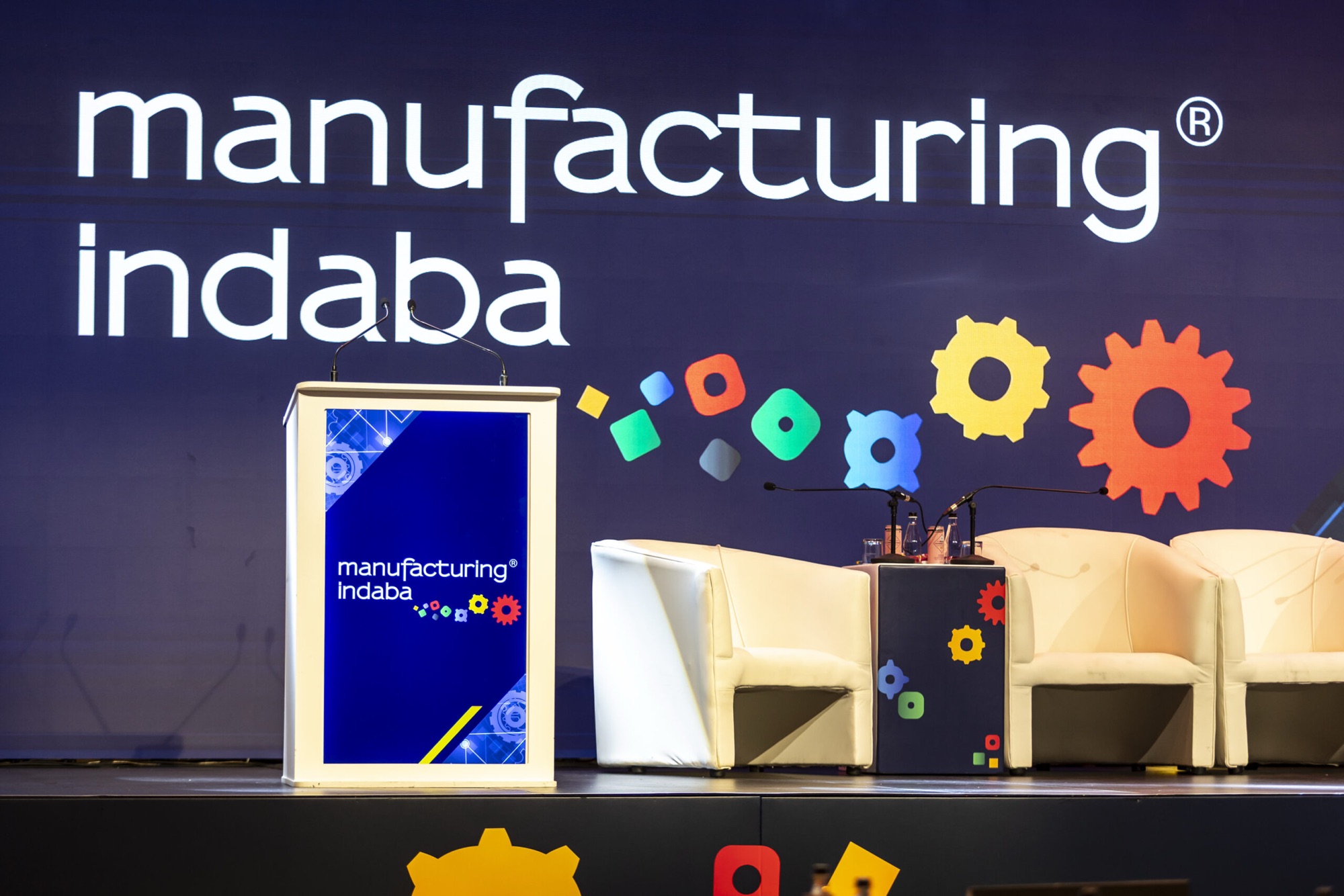
Every industry has its own gathering place.
The annual exhibition arrives, diaries are cleared and businesses begin preparing months in advance. Stands are designed, banners are printed and marketing teams debate whether this year calls for a bigger space, better giveaways or a more ambitious activation than the year before. By the time the doors open, hundreds of businesses offering remarkably similar products and services are waiting for the same thing to happen: the right customer walks past.
It’s a model that has worked for decades, which is perhaps why so few of us stop to question it.
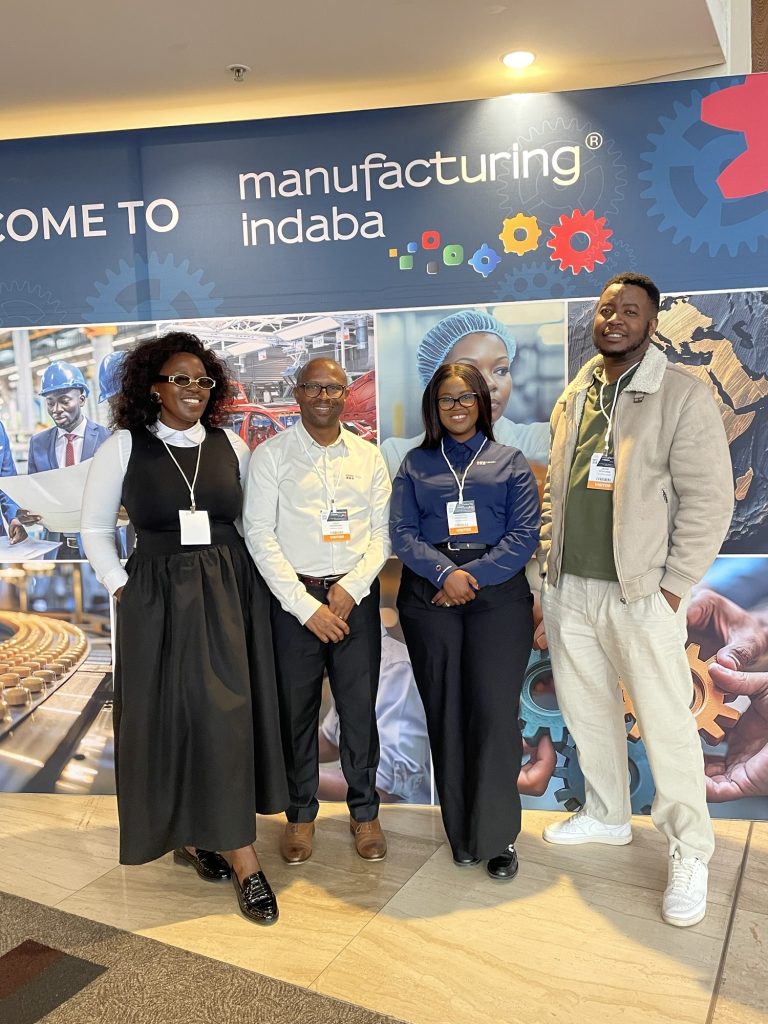
We attended the Manufacturing Indaba this year, not as exhibitors but as visitors. That wasn’t a budget decision or a missed opportunity. It was intentional. Manufacturing isn’t our industry, but manufacturers form part of the audience we hope to understand better. Rather than asking how we could attract attention, we wanted to see what held theirs.
The difference between exhibiting and observing is subtle, but it changes the way you experience an event. You’re no longer thinking about whether your stand is busy or whether enough brochures have been collected. Instead, you’re free to notice the conversations taking place around you. You hear what people complain about while waiting for a demonstration to begin. You notice which stands draw a crowd and which are quietly overlooked. You begin to understand what questions people ask before anyone has tried to sell them something.
Those moments are easy to dismiss because they don’t look like leads. Nobody scans your badge. No quotation is requested. There’s no neat spreadsheet waiting at the end of the day showing a return on your time. Yet those observations reveal something more difficult to obtain than a list of prospects. They reveal context.
Throughout the day, discussions moved comfortably between production challenges, supplier relationships, logistics, skills shortages and the pressure of remaining competitive in a changing economy. We rarely found ourselves talking about branding, yet we were constantly learning about the environment in which brands operate. It was a reminder that businesses seldom wake up looking for promotional products, public relations or marketing support. They wake up trying to solve business problems. Understanding those problems is often the first step towards becoming genuinely useful.
That shift in perspective stayed with me long after the exhibition ended. We spend a great deal of time encouraging businesses to think about visibility, yet visibility is only meaningful when it’s built on understanding. Before asking how a company should communicate, it helps to know what keeps its leadership team awake at night. Before suggesting a campaign, it helps to understand the pressures shaping their decisions. Those insights are rarely found by standing behind your own exhibition stand. More often, they’re found by quietly stepping into someone else’s world.
There’s still enormous value in industry exhibitions, particularly for maintaining relationships and staying informed about developments within your sector. I wouldn’t argue otherwise. But perhaps we’ve become so accustomed to meeting people who already understand our business that we’ve overlooked the value of spending time with people whose businesses we still need to understand.
The next opportunity may not be waiting at an event where everyone recognises your logo. It may be found in an exhibition where nobody knows who you are, because you’re there for a different reason altogether. You’re there to listen before you speak, to understand before you propose and to learn enough about another industry that, when the opportunity eventually presents itself, your advice is grounded in experience rather than assumption.
Looking back, the Manufacturing Indaba didn’t change the way I think about exhibitions. It changed the way I think about proximity. Sometimes the shortest path to new business isn’t standing beside your competitors and hoping the right customer finds you. Sometimes it’s standing beside your customers long before they realise they’ll need you.